
Key Takeaways
- Kitchen renovations in the GTA range from roughly $10,000 for a cosmetic refresh to $100,000+ for a full gut renovation
- Knowing your project scope before you start saves you time, money, and stress
- Most kitchen renovations in Ontario require at least one permit
- A licensed contractor is not optional for mid-range and full gut renovations
- Planning and design decisions made early determine everything that comes after
So you have decided the kitchen has to change. Maybe the cabinets are falling apart. Maybe the layout makes no sense for how you actually cook and live. Maybe you bought the house knowing the kitchen was the first thing to fix. Whatever got you here, you are now looking at one of the biggest renovation decisions a homeowner makes.
This guide covers the full picture: scope, budget, renovation stages, permits, hiring, and design decisions. It does not go deep on any single topic because each one has its own dedicated guide. Think of this as your starting point and your map. By the end, you will know exactly what kind of project you are dealing with and where to go next.
What Kind of Kitchen Renovation Do You Actually Need?
This is the most useful question to answer before anything else. Not just because it shapes your budget, but because it determines who you hire, whether you need permits, how long it takes, and how much your daily life gets disrupted. Most projects fall clearly into one of three categories.
Cosmetic Refresh
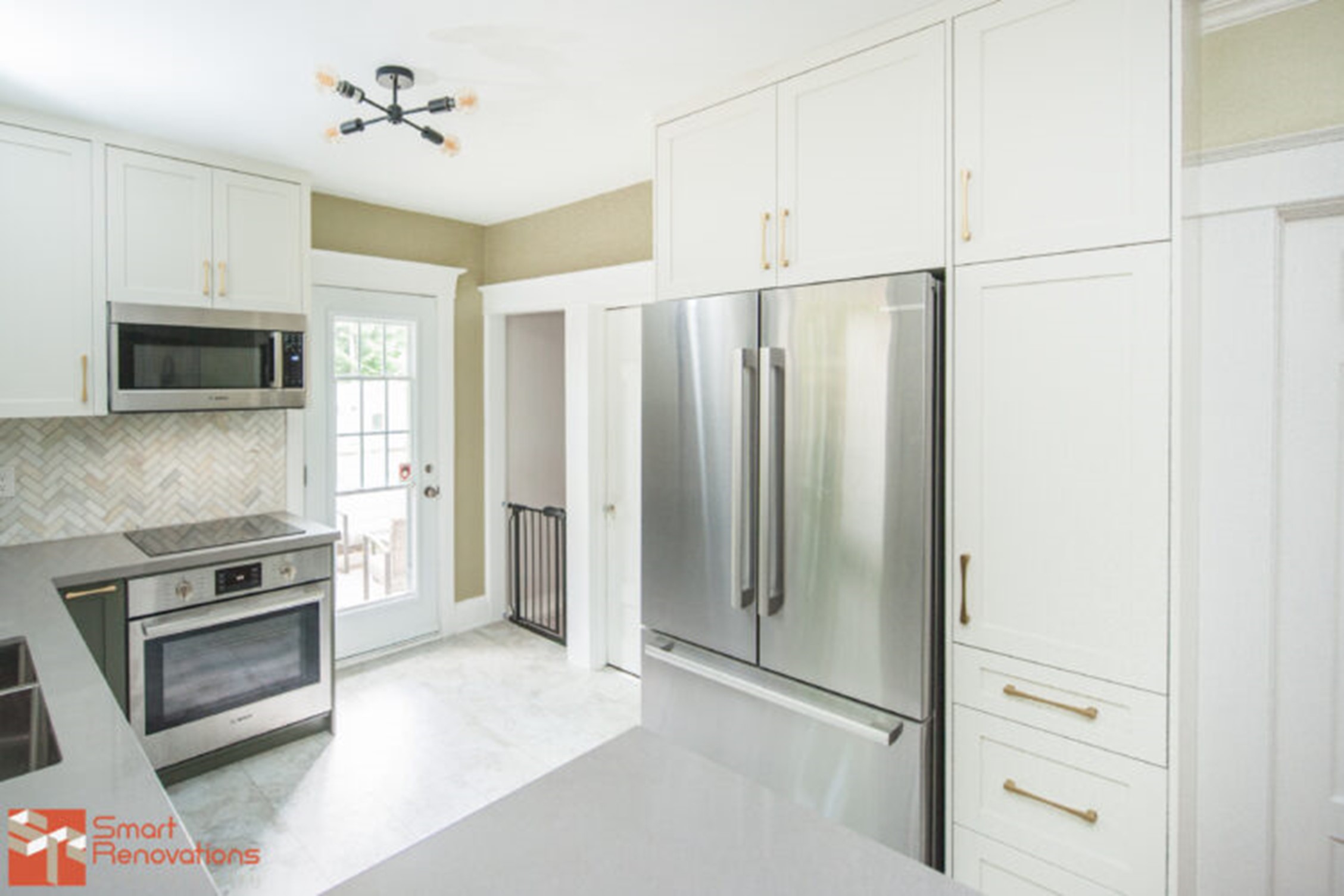
This is surface-level work. You are not moving walls, not touching plumbing, not relocating anything. You are updating what people see. That typically means repainting or refacing cabinets, replacing countertops, swapping out hardware, adding a new backsplash, upgrading light fixtures, and possibly new flooring. A cosmetic refresh makes sense when your kitchen layout actually works and the bones are solid. If your sink is in the right spot, your storage is adequate, and your appliances are where they need to be, you do not need a full renovation.
Mid-Range Renovation
This is where most GTA homeowners land. You are replacing cabinets, countertops, appliances, and flooring, and possibly opening up the space slightly, but you are not moving structural walls or relocating your plumbing stack. The layout stays roughly the same. Trades are involved because electrical and plumbing connections get touched, but the project scope is manageable. You will need permits for some of this work, and a licensed contractor is the right call.
Full Gut Renovation
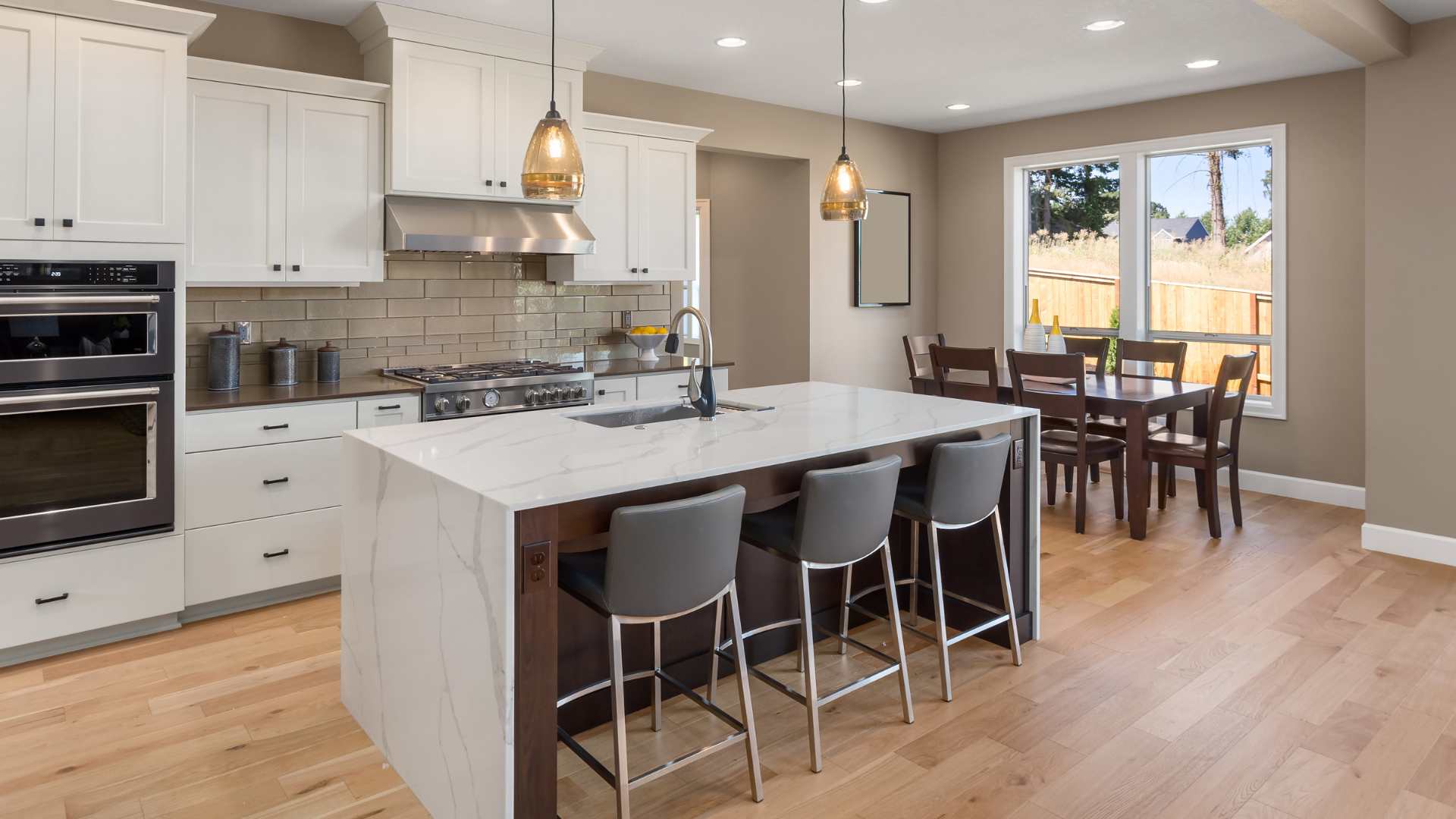
Everything comes out. You are starting from the studs. This usually means moving walls, relocating the sink or adding an island with plumbing, upgrading electrical panels, and sometimes dealing with surprises inside the walls of older GTA homes, such as knob-and-tube wiring, asbestos, or water damage. A full gut renovation is a significant construction project. It requires proper permits, a licensed general contractor, and a realistic understanding of timelines and cost. It is also where you get the most design freedom and the highest potential return on investment.
Cosmetic Refresh
$10,000 – $30,000
- Cabinet repainting or refacing
- New countertops
- Hardware and fixtures
- Backsplash and flooring
Mid-Range Renovation
$30,000 – $75,000
- New cabinets and countertops
- Appliance replacement
- New flooring
- Minor layout adjustments
Full Gut Renovation
$75,000 – $150,000+
- Full demolition to studs
- Structural and layout changes
- Plumbing and electrical relocation
- Complete custom build-out
What Does a Kitchen Renovation Cost in the GTA?
A cosmetic refresh runs roughly $10,000 to $30,000. A mid-range renovation lands between $30,000 and $75,000. A full gut renovation in the GTA typically starts at $75,000 and can reach $150,000 or more depending on the size of the kitchen, materials chosen, and what gets uncovered inside the walls. These are honest numbers for the Toronto market in 2025, where labour alone is 15 to 20 percent higher than the Ontario average. Keep at least 10 to 15 percent of your total budget set aside as a contingency because surprises in older GTA homes are common. For a full breakdown of what drives these costs, including per-category estimates for cabinets, countertops, labour, and permits, read our Kitchen Renovation Cost Guide.
The Renovation Stages: What Happens and When
Understanding the order of work helps you set realistic expectations and spot problems early. Here is how a kitchen renovation typically unfolds from start to finish.
Planning and Design
This is where every decision gets made on paper before a single cabinet is touched. Layout, materials, appliances, and finishes are all confirmed here. Skipping proper planning is the most common reason kitchen renovations go over budget.
Permits
For any work involving electrical, plumbing, or structural changes, permits need to be pulled before work begins. In Toronto, standard permits take four to six weeks to process. Your contractor should handle this, but you should know it is happening.
Demolition
Everything that is being replaced comes out. This includes old cabinets, countertops, flooring, and sometimes walls. Demolition in older GTA homes can reveal problems, which is exactly why that contingency budget matters.
Rough-In Work
Plumbers, electricians, and framing crews do their work inside the walls before anything closes up. This includes moving drain lines, adding circuits, and framing any new walls or openings. Inspections typically happen at this stage.
Drywall
Once rough-in inspections are passed, walls get closed up, drywalled, and primed. This stage moves quickly but has to be done right because everything that comes next gets fastened to it.
Cabinet Installation
Cabinets go in before countertops or flooring in most cases. This is often the most time-consuming installation stage, especially for custom cabinetry. Precision here matters because every other measurement depends on it.
Countertops
Countertops are templated after cabinets are installed and fabricated off-site, which usually adds one to two weeks. Stone and quartz are the most common choices in GTA kitchens right now. Plan for that lead time.
Flooring
Depending on the material, flooring goes in before or after cabinets. Your contractor will sequence this correctly. Tile, hardwood, and luxury vinyl plank all have different installation requirements and timelines.
Fixtures, Appliances, and Finishing
Sink, faucet, lighting, backsplash, and appliances all get installed. Painting and trim work wrap up here. This is the stage where the kitchen starts looking like a kitchen again, and where a lot of homeowners start to feel the relief.
Final Inspection and Sign-Off
If permits were pulled, a final inspection confirms all work meets Ontario Building Code. This closes the permit and protects you when it comes time to sell. Never skip this step.
How Long Does a Kitchen Renovation Take in the GTA?
A cosmetic refresh can be done in one to three weeks. A mid-range renovation typically runs six to ten weeks from demolition to final walkthrough. A full gut renovation, especially one involving permits and structural work, usually takes three to five months. These are realistic timelines for the GTA, where permit processing, trade availability, and material lead times all add weeks that homeowners often do not account for. For a detailed breakdown including what causes delays and how to avoid them, see our Kitchen Renovation Timeline and Permit Guide.
Cosmetic Refresh
1 – 3 weeks
Mid-Range Reno
6 – 10 weeks
Full Gut Renovation
3 – 5 months
Do You Need a Permit for Your Kitchen Renovation in Ontario?
In Ontario, a permit is generally required any time you are doing structural work (moving or removing walls), relocating plumbing, adding or upgrading electrical circuits, or making changes that affect the building envelope. A simple cosmetic refresh, such as replacing countertops or repainting cabinets, typically does not require a permit. But the moment you start moving a sink, adding a kitchen island with plumbing, or opening up a wall, you are in permit territory. Skipping permits is a genuinely bad idea. Unpermitted work can complicate your home sale, void your insurance coverage, and require you to undo completed work at your own expense. In Toronto, standard kitchen permits take four to six weeks to process and fees typically run between $350 and $1,200 depending on the scope. For the full breakdown of what requires a permit in Toronto, Mississauga, Brampton, and other GTA municipalities, read our Kitchen Renovation Timeline and Permit Guide.
Hiring a Contractor: What GTA Homeowners Need to Know
A cosmetic refresh might be manageable with a skilled handyman and a few specialty trades. Everything above that needs a licensed general contractor. Kitchen renovations involve multiple trades working in a specific sequence, permit coordination, and decisions that affect the structural integrity and safety of your home. Hiring someone without the proper licensing and insurance in Ontario is a risk that can cost far more to fix than it saves upfront. When evaluating contractors, look for proof of WSIB coverage, liability insurance, a clear written contract, and verifiable references from similar projects in the GTA. Get at least three quotes and compare the scope of work, not just the bottom line. For a full guide on questions to ask, red flags to watch for, and what a proper contract should include, see our Kitchen Contractor Guide.
Pro Tip
The lowest quote is rarely the best choice. In the GTA renovation market, a bid that comes in significantly below the others usually means something is missing from the scope, the materials are lower quality than specified, or the contractor is cutting corners on labour. Compare what each quote includes, not just the total number.
Design Decisions: The Big Three Categories
Every kitchen renovation involves three categories of design decisions. Layout determines how you move through and use the space, and getting it right matters more than any finish you choose. Style sets the overall look and feel, from cabinet door profiles to hardware and colour palettes. Materials cover every physical surface in the kitchen, including cabinets, countertops, backsplash, and flooring, and your choices here drive a significant portion of your budget. This guide does not go deep on any of these because each one deserves its own dedicated resource. For what is trending in GTA kitchens right now, see our Kitchen Renovation Trends Guide. If you are working with a compact space, the Small Kitchen Solutions Guide covers layout tactics specific to smaller GTA homes and condos.
Frequently Asked Questions
What is the difference between a kitchen renovation and a kitchen remodel?
A renovation updates what is already there, such as new cabinets in the same positions, fresh countertops, and new flooring. A remodel changes the structure or layout, like removing a wall or moving the sink to a new location. In practice, many GTA homeowners use the terms interchangeably, but the distinction matters for permits and budget.
How much does a kitchen renovation cost in the GTA?
Costs range from about $10,000 for a cosmetic refresh to $150,000 or more for a full gut renovation. Most mid-range renovations in Toronto and the surrounding GTA fall between $30,000 and $75,000. For a full cost breakdown by category, read our Kitchen Renovation Cost Guide.
Do I need a permit to renovate my kitchen in Ontario?
It depends on the scope of work. Cosmetic updates generally do not require permits. Any work involving electrical, plumbing, or structural changes does. See our Timeline and Permit Guide for specifics by municipality.
How long does a kitchen renovation take in the GTA?
A cosmetic refresh takes one to three weeks. A mid-range renovation runs six to ten weeks. A full gut renovation typically takes three to five months, including permit processing time.
Can I live in my house during a kitchen renovation?
For cosmetic refreshes and some mid-range renovations, yes. For full gut renovations, it gets genuinely difficult because you lose access to your kitchen for weeks or months. Most homeowners doing a full gut set up a temporary kitchen in another room with a microwave, mini fridge, and a hot plate.
Is a kitchen renovation worth it before selling?
A well-executed kitchen renovation typically returns 60 to 80 percent of its cost in added home value in the GTA market, though this varies by neighbourhood and the quality of execution. A cosmetic refresh before selling often gives a better return per dollar spent than a full gut renovation. Talk to a local real estate agent before committing to a major reno purely for resale.
What is the most expensive part of a kitchen renovation?
Cabinetry is typically the largest single cost, accounting for 30 to 40 percent of the total budget. Labour across all trades is the second biggest factor. Together, these two categories often make up more than half of the total renovation cost.
Do I need a licensed contractor for my kitchen renovation?
For mid-range and full gut renovations, yes. Work involving licensed trades like electricians and plumbers requires a contractor who is properly insured and registered with WSIB in Ontario. See our Kitchen Contractor Guide for what to look for when hiring.
What happens if I renovate without a permit in Ontario?
Unpermitted work can result in fines, forced removal of completed work, issues with your home insurance, and complications when selling. Buyers and their inspectors look for permit history, and unpermitted renovations can become a negotiating problem or a deal-breaker.
How do I set a realistic kitchen renovation budget?
Start with your scope, get at least three contractor quotes, and add 10 to 15 percent on top as a contingency. Do not base your budget on online estimates alone, as GTA labour and material costs are consistently higher than national averages. Our Kitchen Renovation Cost Guide breaks down realistic numbers for the Toronto market in 2025.
Ready to Get Started?
Smart Renovations works with GTA homeowners across Toronto, Mississauga, Brampton, Vaughan, and the surrounding area. Whether you are planning a cosmetic refresh or a full gut renovation, we can help you figure out the scope, understand the costs, and move forward with confidence.
Disclaimer: The information in this article is based on industry research and the views of the Smart Renovations team. Cost estimates, timelines, and permit requirements can vary based on your specific project, location, and contractor. For accurate guidance on your renovation, please reach out to us directly.