
Quick Answer
A typical laundry room renovation cost in the GTA falls into one of three ranges. A cosmetic refresh usually runs about $1,500 to $4,000, while a full renovation that keeps the washer and dryer in place costs roughly $8,000 to $18,000. However, moving the laundry or creating a new one often costs $12,000 to $28,000, because the project then needs new plumbing, a new dryer vent and new wiring.
Quick Takeaways
- Keeping the washer and dryer in their current spot is the easiest way to control your laundry room renovation cost.
- Relocating a drain line can add about $2,500 to $5,000 per line, so plumbing changes have the biggest effect on the budget.
- A full-size side-by-side pair needs about 57 inches of width, whereas a stacked washer and dryer needs only about 29 inches.
- Dryers must vent outdoors through metal ducting, and they should never exhaust into the house.
- Leak protection matters most upstairs, since a burst hose on the second floor can damage the ceiling below.
- In most cities, new plumbing needs a permit, and a new dryer circuit also needs an ESA permit.
The laundry room works hard every single day, yet it is often the last space homeowners think about updating. As a result, many GTA homes still have a cramped laundry closet, a wobbly wire shelf and a dryer vent that nobody has checked in years.
Fortunately, a laundry room renovation does not have to be a huge project, and in many homes a few well-planned changes make laundry day faster, safer and far less frustrating. On the other hand, moving the laundry or adding one upstairs is real construction, because the plumbing, venting and electrical work all have to be done properly.
In this guide, we break down the typical laundry room renovation cost for 2026, explain what pushes the price up or down, and compare the layouts that work best. We also cover how much space you need, practical small laundry room ideas and the safety details that matter most. Since laundry rooms rely on the same trades as bathrooms, you can also explore our bathroom renovation services if your project is part of a bigger plan.
Jump To a Section
Laundry Room Renovation Cost Ranges for 2026
The biggest question is whether the washer and dryer stay where they are. If they do, most of your budget goes into finishes such as cabinets, counters and tile. If they move, however, you also pay for new plumbing, a new vent route and new wiring. With that in mind, here is how the three main scopes compare.
About $1,500 to $4,000. This covers paint, new shelving or storage, updated lighting and new fixtures, while the layout, plumbing and appliances stay exactly where they are.
About $8,000 to $18,000. This typically includes new laundry room cabinets, a counter, a utility sink, tile flooring and better lighting, all built around the existing water, drain and vent locations.
About $12,000 to $28,000. This covers moving the laundry to a new spot, such as the second floor. It also includes new drain and supply lines, a dryer vent to the outside and a dedicated dryer circuit.
Worth Knowing
Plumbing is the line item that changes the budget most. In the GTA, relocating a drain line typically adds about $2,500 to $5,000 per line, and that is before the fixtures themselves. That is why keeping the washer close to the existing plumbing is the simplest way to lower your laundry room renovation cost.
What Drives the Price of a Laundry Room Remodel?
Two rooms of the same size can end up with a very different laundry room renovation cost. In most cases, the following five factors explain the gap.
Moving the Plumbing
Every new drain or supply line means opening floors and walls, running new pipe and, in most cases, getting a permit. Even adding a utility sink in a new spot counts as a plumbing change, so it is worth planning the sink and the washer together.
The Dryer Vent Route
A dryer that sits against an exterior wall is simple to vent. In contrast, a laundry room in the middle of the house may need a longer duct run through joists or a ceiling, which takes more labour and more careful planning.
Electrical Work
An electric dryer runs on its own 240V circuit. Therefore, if you are adding a laundry where none existed, or if your electrical panel is already full, the electrical side can add noticeably to the budget.
Cabinets and Counters
Ready-made cabinet boxes cost far less than custom millwork, and similarly, a laminate counter costs less than quartz. In addition, features such as tall storage, pull-out hampers and built-in drying racks all add up over the course of a project.
What Is Behind the Walls
Older homes can hide worn shut-off valves, slow leaks or outdated wiring. Because finding these problems early costs far less than finding them after the new tile is down, it is wise to keep a contingency in your budget.
In short, keeping your plan close to the existing plumbing, vent and wiring holds your laundry room renovation cost down. As a result, more of the budget goes into the features you will actually see and use every day.
Laundry Room Layouts and Ideas for GTA Homes
The right layout depends on where your laundry sits today and how your household uses it. With that in mind, these are the most common setups, along with the laundry room ideas that suit each one.
If you plan to hang-dry clothes in the laundry room, add an exhaust fan as well, because the extra moisture has to go somewhere.
How Much Space Do You Need for a Washer and Dryer?
Before you design anything, measure the room and your machines carefully. As a reference, the figures below are typical for one full-size front-load pair. Since models vary, however, it is worth checking your own spec sheets as well.
A full-size front-load washer or dryer often stands close to 39 inches tall, so a folding counter above them usually sits higher than a standard 36-inch kitchen counter.
Small Laundry Room Ideas That Make a Real Difference
Many GTA laundry rooms are small, so every inch has to earn its place. Fortunately, the ideas below add real function without moving a single wall.
Stack the Machines
A stacked washer and dryer frees up roughly half the width of a side-by-side pair. As a result, that space can hold a slim sink, a tall cabinet or a hanging rod instead.
Add a Counter Over Front-Loaders
If you prefer to keep the pair side by side, a counter across the top turns dead space into a handy folding station. Just remember to leave enough room above the machines so you can still pull them out for service.
Go Vertical
Upper cabinets that run to the ceiling hold detergent and linens, while a tall cabinet keeps the vacuum, mop and ironing board out of sight. Open shelving, on the other hand, works best for the items you reach for every day.
Use Fold-Down and Pull-Out Pieces
A wall-mounted drying rack folds flat whenever you do not need it. Likewise, pull-out hampers keep lights and darks sorted without taking up any floor space.
Swap the Door
A swinging door can take up a surprising amount of a small room. Instead, a pocket door or sliding barn door gives that space back, and a louvred door also helps air reach the dryer.
Keep the Look Clean and Modern
For modern laundry room ideas, flat-panel cabinets, a quartz counter and large-format tile create a clean look that is also easy to wipe down. Moreover, fewer grout lines and simple hardware mean less to clean after a busy week.
Pro Tip
Choose your washer and dryer before the cabinets are designed. Because machine heights and depths vary by brand, designing around the exact models helps you avoid a counter that sits too low or a door that will not close.
Dryer Venting and Fire Safety
A renovation is the best time to fix a poor dryer vent, because the walls and ceiling are already open. In fact, a few basic fire safety rules make the biggest difference, and the points below cover each one.
Vent outdoors: a dryer should never exhaust inside the house, so plan the straightest and most direct path to an outside wall instead. After all, every bend and elbow gives lint another place to collect.
Use metal ducting: choose rigid or flexible metal duct, because plastic and foil ducts kink, sag and crush more easily, which traps lint. Plastic is also more likely to melt or ignite.
Respect the length limit: every dryer lists a maximum vent length in its installation manual, and that limit drops with each elbow. For that reason, check it before you commit to a layout far from an exterior wall.
Give it air: dryers in closets or fully enclosed rooms need enough incoming air to run properly. Consequently, a louvred door or a vent grille is a smart addition to any closet laundry.
Keep it clean: clean the lint screen after every load, and have the duct and outdoor vent cleaned regularly. Also, make sure the outdoor flap opens freely whenever the dryer runs. For moisture control in the room itself, our guide to venting and moisture control explains how to size an exhaust fan.
Plumbing and Leak Protection
A washing machine moves a lot of water, so one failed hose can soak a floor within minutes. Fortunately, a few inexpensive additions prevent most laundry leaks.
Fresh hoses: insurance experts generally recommend replacing washing machine hoses every three to five years, and a renovation is the perfect time to start that clock.
Leak detectors and shut-offs: it is also smart to install leak detectors wherever leaks are most likely. Some models can even shut the water off automatically, which is especially valuable when nobody is home.
Accessible valves: once the cabinets are in, the shut-off valves should still be easy to reach, so that anyone in the house can turn off the water quickly.
A drain pan: finally, a pan under the washer, ideally connected to a drain, catches small leaks before they reach the floor or the ceiling below.
Thinking of Moving Laundry Upstairs?
A second-floor laundry room saves a lot of trips on the stairs. However, any leak there lands on the ceiling below, so plan a drain pan, a leak detector with automatic shut-off and a water-resistant floor from the start. In addition, front-loaders vibrate during the spin cycle, which is why a solid floor, a solid-core door and anti-vibration pads help keep the bedrooms quiet.
Laundry Room Cabinets, Counters, Flooring and Lighting
Cabinets: because laundry rooms see heat, humidity and the occasional spill, choose cabinet boxes and finishes that can handle all three. Our guide to cabinet styles and materials compares the options in detail.
Counters: a folding counter has to resist water, detergent and the odd hot iron. For that reason, quartz and laminate are both popular choices, and our guide to durable counter surfaces weighs cost against wear.
Flooring: porcelain tile and luxury vinyl both handle water well, which matters most on upper floors. For a side-by-side comparison, see our guide to water-resistant flooring.
Utility sink: a laundry room with a sink is far more useful for pre-soaking, hand-washing and rinsing muddy boots. However, the sink needs its own drain, so it is cheapest to place it right next to the existing washer box.
Lighting and power: since bright, even light helps you spot stains, pair a ceiling fixture with under-cabinet lights over the folding counter. Meanwhile, any outlets near a sink need GFCI protection, and your electrician will confirm what the Ontario Electrical Safety Code requires for your layout.
Permits and Timeline for a Laundry Room Renovation
Permits: replacing a washer, dryer or sink in the same spot usually does not need a permit. On the other hand, moving a drain or adding new plumbing usually does. In addition, new electrical work, such as a dryer circuit, needs an ESA permit taken out by a licensed electrical contractor. Because the rules vary from city to city, our guide to when you need a permit walks through what applies in Ontario.
Timeline: as a rough guide, a cosmetic refresh can be finished in a few days, while a full renovation in the same spot often takes two to three weeks. Moving the laundry, however, takes longer, since permit approval and inspections have to happen before the walls close. Cabinet lead times can also stretch any of these schedules.
Pro Tip
Order your cabinets as soon as the design is final. Since cabinet lead times are usually the longest wait in a laundry room remodel, ordering early keeps the room out of action for the shortest possible time.
Choosing a Laundry Room Renovation Contractor
When you compare quotes, look for a laundry room renovation contractor who plans the plumbing, venting and electrical as one job, rather than leaving you to coordinate separate trades. In addition, a good contractor will give you a clear, itemized laundry room renovation cost before any work begins, so there are no surprises halfway through.
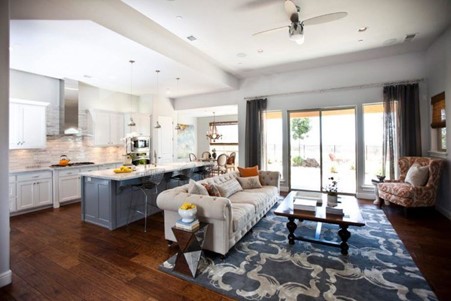
At Smart Renovations, we have completed laundry room renovations, including a combined living and laundry space, and you can see our laundry room projects on our projects page. In addition, every project with us includes the following.
See Finishes in Person
Cabinet colours, counter samples and tile are much easier to judge in person than on a screen, which is why we welcome GTA homeowners at our two locations.
Richmond Hill Office 10815 Bathurst St, Unit 5 | Woodbridge Office 8A, 40 Innovation Dr |
Frequently Asked Questions
How much does a laundry room renovation cost in the GTA?
For 2026, a typical laundry room renovation cost is about $1,500 to $4,000 for a cosmetic refresh. Meanwhile, a full renovation that keeps the machines in place usually runs $8,000 to $18,000. Moving the laundry or building a new one, however, usually costs $12,000 to $28,000, because plumbing changes are the biggest variable.
How long does a laundry room remodel take?
A cosmetic refresh can take a few days, while a full renovation in the same spot often takes two to three weeks. Moving the laundry takes longer, since permits and inspections come first, and cabinet lead times can also stretch any timeline.
Do I need a permit to renovate a laundry room?
Not for replacing appliances or a sink in the same spot. However, moving drains or adding new plumbing usually needs a city permit, and a new dryer circuit needs an ESA permit. Since the rules vary across the GTA, it is also worth checking with your municipality.
Can I move my laundry to the second floor?
Usually, yes, as long as there is a route for the drain, the supply lines and the dryer vent, plus enough electrical capacity for a 240V dryer circuit. In addition, plan a drain pan, a leak detector and a water-resistant floor, since any leak would reach the ceiling below.
How much space do I need for a washer and dryer?
A typical full-size front-load pair needs about 57 inches of width side by side or about 29 inches stacked. The pair also needs roughly 39 inches of depth and about 4 feet of open floor in front, although your own spec sheets have the final word.
Is a stacked washer and dryer better than a side-by-side pair?
Stacking saves about half the width, which makes it ideal for closets and small rooms. A side-by-side pair, on the other hand, lets you add a folding counter on top and keeps both machines easy to reach. Keep in mind, though, that only front-loaders designed to stack can be stacked.
What are the best small laundry room ideas?
The most effective small laundry room ideas are stacking the machines and running cabinets up to the ceiling. In addition, a fold-down drying rack and a pocket or sliding door free up space without moving any walls.
What is the best flooring for a laundry room?
Porcelain tile and luxury vinyl are both strong choices, because they handle water well and are easy to clean. In particular, water resistance matters most in an upstairs laundry room.
Where should a dryer vent go?
A dryer vent should always run outdoors, by the straightest and shortest route possible, using metal ducting. Moreover, it should never vent into the house, an attic or a wall cavity, and the run should stay within the length your dryer’s manual allows.
Can a laundry room go in a closet?
Yes, a stacked pair fits well in a closet, as long as the doors let enough air reach the dryer and the machine doors can open fully. For that reason, louvred, sliding or pocket doors all work well.
Is a laundry room with a sink worth it?
If you have the space, a utility sink is one of the most useful additions you can make. It is cheapest to place next to the existing washer drain, and any outlets near it will need GFCI protection.
How often should washing machine hoses be replaced?
Insurance experts generally recommend replacing them every three to five years. Therefore, swapping them during a renovation is an easy way to lower the risk of a leak.
Ready to Plan Your Laundry Room?
We design and build laundry rooms with a free 3D design, permits handled, licensed trades and a 1-year warranty. Better still, we confirm your laundry room renovation cost as a fixed price before work begins.
About Smart Renovations
Smart Renovations is a GTA renovation company founded by Tina Wu, who began her career in kitchen and bathroom cabinetry manufacturing. That hands-on background still shapes how we plan materials and layouts today. Since then, we have completed over 1,000 projects and earned eight service excellence awards in a row, from 2019 to 2026. Today, more than half of our new projects come from referrals.
- Fully licensed and insured, with $5 million in general liability coverage
- WSIB certified, with a licensed electrician on staff
- A 1-year labour warranty on every project
- Offices in Richmond Hill and Woodbridge, serving the Greater Toronto Area
Want to know who is behind the work? Read Tina Wu’s story.